
- Flooring
The Best Flooring for Alberta Basements: What Works When the Ground Gets Cold
August 13, 2026
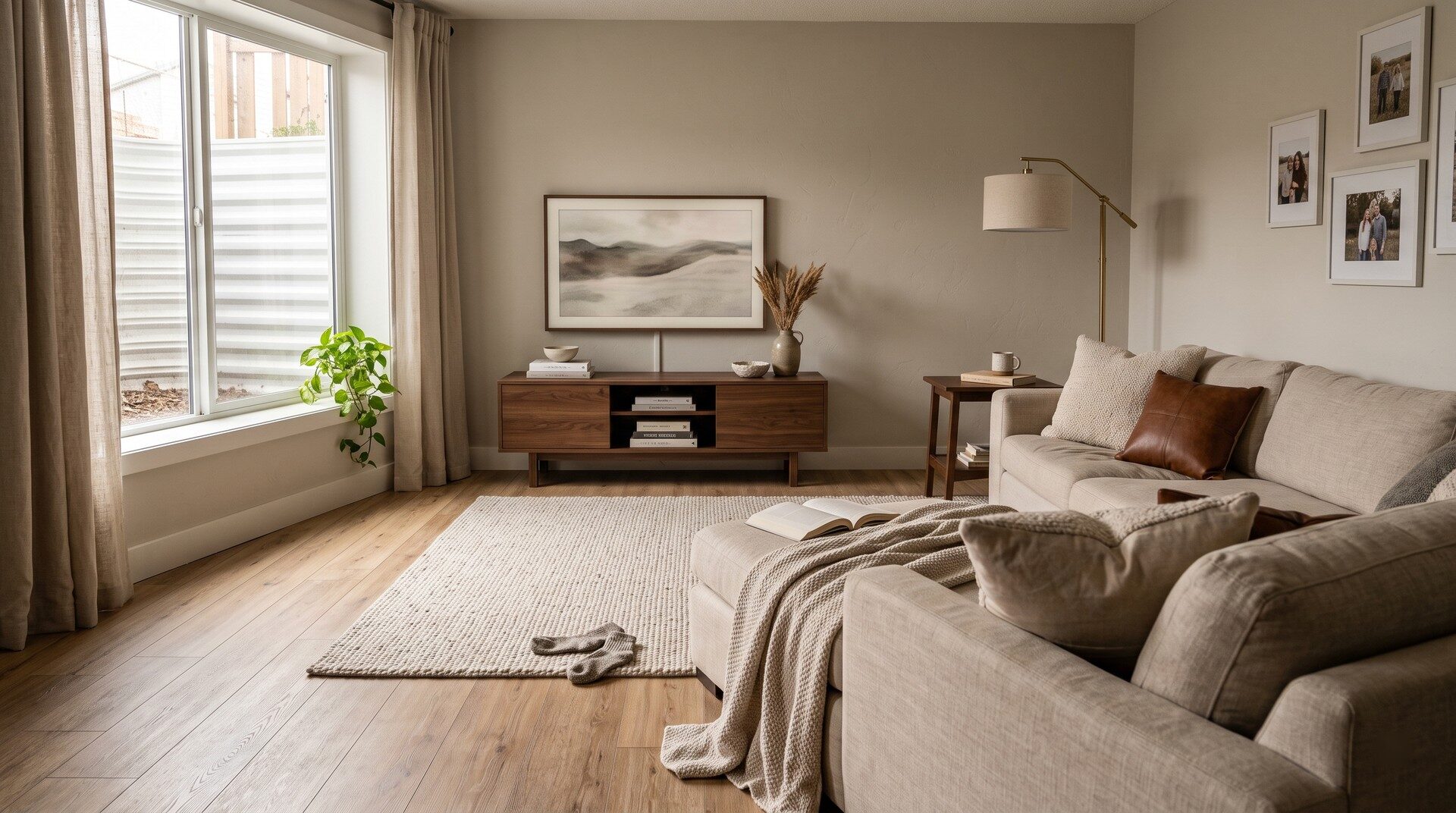
Most basement flooring fails for one reason: the homeowner chose a product designed for above-grade conditions and put it below grade in an Alberta home. The concrete slab beneath your feet is never fully dry. Even in a finished basement with good drainage, moisture migrates up through concrete constantly, and in Red Deer’s climate, temperature fluctuations between seasons put additional stress on whatever is sitting on top of that slab.
If you’re finishing a basement, adding a suite, or replacing flooring that buckled, swelled, or grew mold, the question isn’t just which floor looks good. It’s which floor survives what Alberta basements actually do to materials. We’ve helped a lot of Central Alberta homeowners answer that question, and this guide gives you the honest breakdown.
Visit raveshowroom.ca/product/flooring/ to explore the products we carry, or call 403-346-7088 to talk through your project with our team.
Why Alberta Basements Are Harder on Floors Than Most Guides Acknowledge
Red Deer sits in the centre of the country’s continental climate zone. Winters drive outdoor temperatures to -35 degrees Celsius and below; summers push past 30. That 65-degree seasonal swing doesn’t just affect what you wear outside. It affects your basement slab.
Concrete is porous. Moisture from the ground below migrates upward through it year-round. In winter, that process slows as the ground freezes deeper. Come spring thaw, moisture pressure increases from below as the frost line retreats. For most Alberta basements, there is no truly dry season at slab level.
This is why solid hardwood is simply not an option below grade in Alberta. The wood will absorb moisture, cup, warp, and eventually fail. Standard laminate, despite some manufacturers’ ‘waterproof’ marketing, has an HDF core that wicks moisture at the seams and swells. If a laminate floor gets even a minor water event in a basement — a sump pump backup, a window well overflow, a slow appliance leak — you are replacing the entire floor.
The products that work long-term in Alberta basements are the ones engineered to handle what concrete actually does.
Pro Tip from the Central Alberta Tile One team: Before any flooring goes down in a basement, we recommend a moisture test on the concrete slab — typically a calcium chloride test or a plastic sheet test left for 72 hours. In Central Alberta, we see elevated moisture in a surprising number of basements that look perfectly dry to the eye. Knowing what you’re working with before you commit to a product prevents expensive callbacks.
What Actually Works: The Best Flooring Options for Alberta Basements
Luxury Vinyl Plank (LVP) — The Clear First Choice
Modern rigid-core LVP, also called SPC (stone plastic composite), is 100% waterproof. The planks themselves will not absorb moisture, warp, or delaminate from water exposure. A sump pump failure, a slow leak from a water heater sitting ten feet away, a basement flood from spring runoff — the LVP flooring itself survives all of it. Dry it out, clean it up, and the floor is fine.
That’s the practical advantage that makes LVP the default recommendation for Alberta basements. It installs directly over concrete as a floating floor, which means no adhesive required and no damage to the slab if you ever want to remove or replace it. The click-lock system allows the floor to expand and contract independently from the concrete as temperatures change seasonally.
Two things to pay attention to when choosing LVP for a basement: wear layer and core thickness. A 20-mil wear layer handles real residential use, including pets. Below 12 mil, the floor will show wear faster than you want in a finished basement space. Core thickness of 6mm or more gives better sound absorption over concrete and more comfort underfoot. Both specs matter more than the color you like. Our guide on what to look for in LVP covers wear layer, core type, and click quality in detail.
One important note: if your basement has in-floor radiant heat, not all LVP products are rated for use over heated slabs. Always check the manufacturer’s maximum surface temperature specification before installing LVP over any heat source.
“I would really like to send a shout out to Ariel and Levi for doing a great job on getting the old flooring out of my place and pointing out any repairs required before the new flooring went in. Thanks to Iana, Bogdan and Bohdan for a great install. These people did an excellent job. Finally I would like to thank Amber who orchestrated this whole job. You guys all went above and beyond.”
Maureen R., Red Deer | Flooring replacement, Central Alberta Tile One
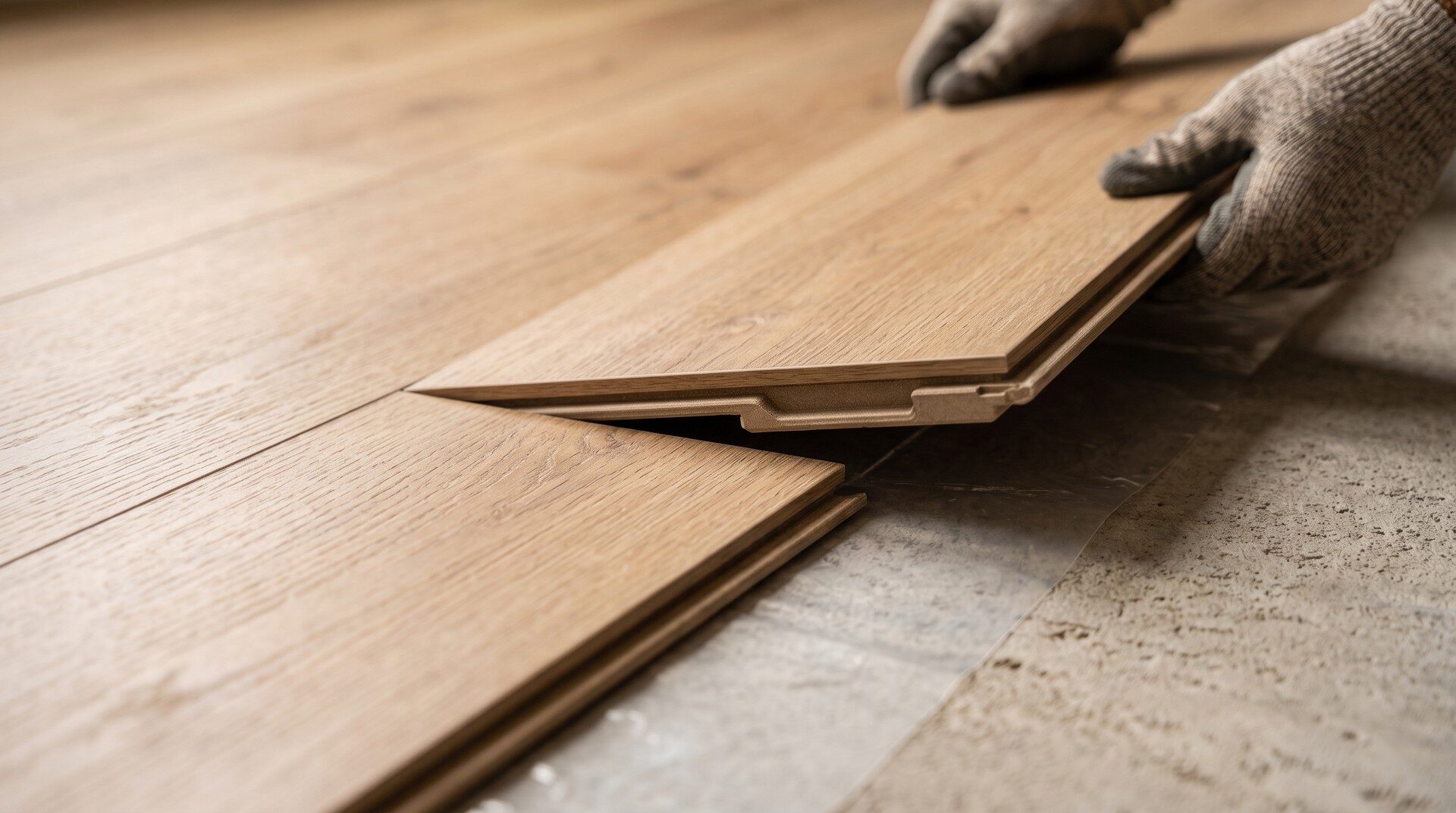
Cork Flooring — The Comfort Option for the Right Basement
Cork is the underrated choice for basement bedrooms, home offices, and spaces where comfort underfoot is the priority. It’s naturally resistant to mold and mildew, provides thermal insulation over concrete (which is cold underfoot in Alberta winters), and absorbs sound well — a real advantage if the basement has a bedroom beneath an active kitchen or living area.
Here’s the honest caveat: cork is moisture-resistant, not waterproof. In a basement that stays dry and has reliable moisture management, cork performs well with a proper vapor barrier installed beneath it. In a basement that has had water events or sits at the bottom of a slope with any drainage uncertainty, cork is not the right call. LVP handles that scenario better.
We recommend cork most often for interior basement bedrooms and quiet spaces in homes that have never had a moisture issue and have a sump pump in place.
Tile — The Permanent Option for Wet Areas
Porcelain tile over a properly prepared concrete slab is the most durable and moisture-proof basement flooring choice available. It will never be damaged by water. For basement bathrooms, laundry rooms, and utility spaces, tile is the right answer every time.
The tradeoff is comfort and installation complexity. Tile over concrete is cold and hard underfoot, which makes it a less appealing choice for finished living areas. It also requires subfloor preparation, proper tile adhesive, and grout sealing. For a full basement living space, most Central Alberta homeowners combine tile in wet zones with LVP in the finished living areas.
“Excellent professional service. Once they start they don’t let up until the job is done, done quickly and done right.”
Red Deer Homeowner | Flooring installation, Central Alberta Tile One (via TrustedPros)
What to Avoid in an Alberta Basement
Solid hardwood: off the table completely. No exceptions in a below-grade Alberta space.
Standard laminate: the marketing around ‘waterproof laminate’ is misleading. The wear layer may be water-resistant, but the HDF core beneath it is not. Any moisture that gets under the planks at a seam or edge will cause swelling and buckling. We’ve seen this fail in Alberta basements more times than we can count.
Carpet over concrete without a proper vapor barrier: carpet holds moisture against the slab and creates ideal conditions for mold. If you want the softness of carpet in a basement bedroom, use a carpet tile system with a moisture-resistant backing over a sealed slab, not broadloom direct to concrete.
“The call we get most often in spring is a homeowner with a basement floor that failed over winter. Nine times out of ten, it’s laminate or hardwood. The floor wasn’t wrong for the house — it was wrong for below grade. That’s a conversation worth having before you install, not after.” — Troy Larsen, Owner, Central Alberta Tile One
How to Make the Right Call for Your Specific Basement
Start with a moisture test. If you don’t know what your slab is doing, you can’t make a confident product decision. Our team at Central Alberta Tile One runs moisture assessments as part of the pre-installation process because in Red Deer’s climate, what the basement looks like is not always what the slab is doing.
Think about how the space will be used. A basement suite rental needs something more durable and moisture-tolerant than a home gym or a finished TV room. A basement bedroom benefits from cork’s thermal comfort in a way a workshop does not.
Talk to an installer who knows below-grade conditions in Alberta specifically. The variables that matter here, frost depth, seasonal moisture pressure, concrete slab age, and existing drainage — are not the same as what a flooring installer in Vancouver or Toronto deals with. Local experience matters.
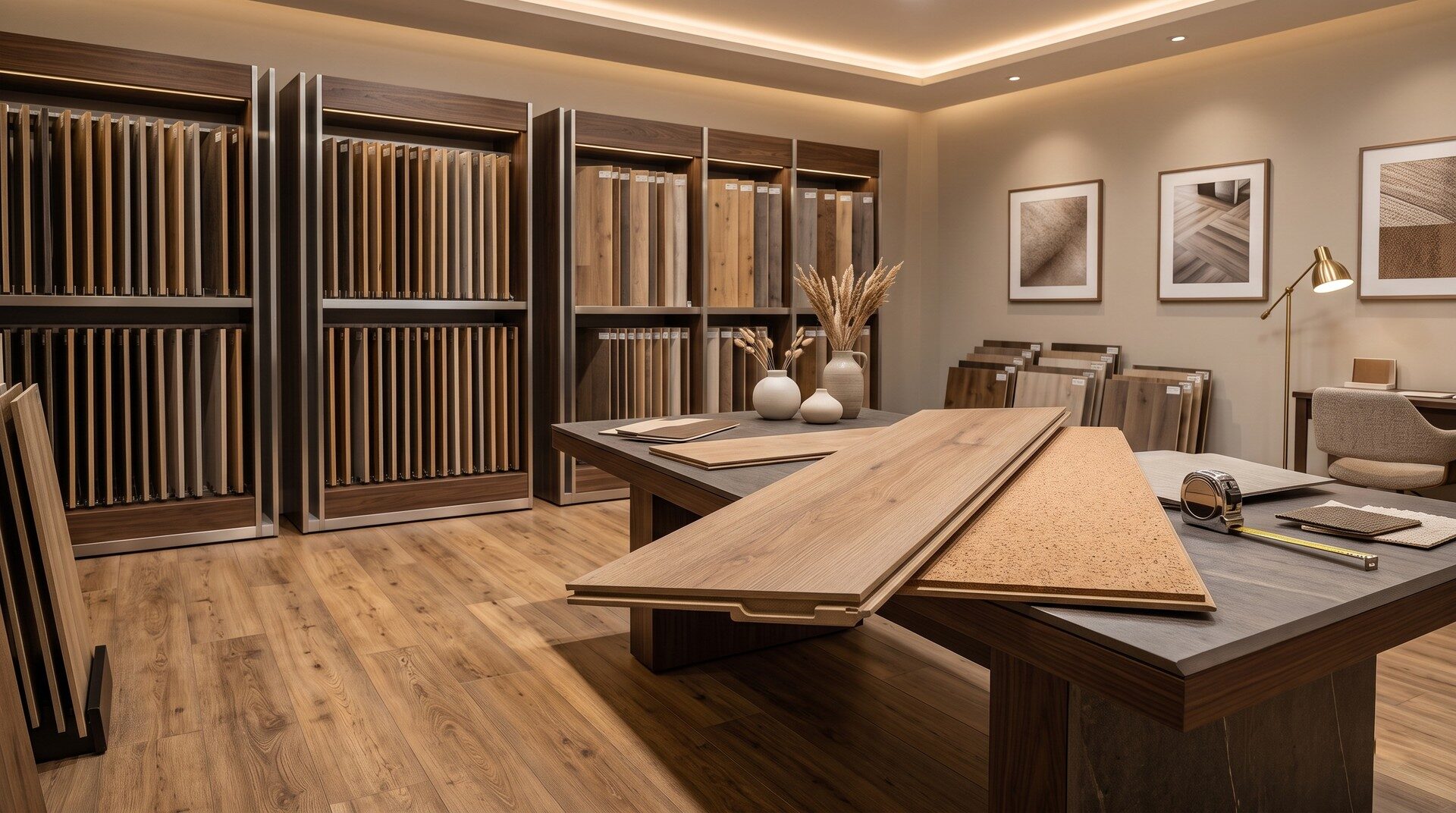
Our showroom on 50 Ave has LVP and cork options you can walk on, compare, and ask questions about. We’d rather spend 30 minutes helping you choose right than get a call six months later about a floor that should never have been there.
Frequently Asked Questions
What is the best flooring for a basement in Alberta?
Rigid-core LVP (SPC) is the best all-around choice for Alberta basements because it is 100% waterproof, installs directly over concrete as a floating floor, and handles the seasonal temperature fluctuations that Alberta basements experience. For basement bedrooms or quiet spaces in dry basements, cork is a comfortable secondary option.
Can I put hardwood in my basement in Red Deer?
No. Solid hardwood should not go below grade in Alberta under any circumstances. Moisture migration through concrete slabs and seasonal humidity changes will cause hardwood to warp, cup, and fail. Even engineered hardwood carries significant risk in most Alberta basements unless moisture management is excellent and the space has never had a water event.
Is laminate flooring OK for an Alberta basement?
We don’t recommend standard laminate for Alberta basements, even products marketed as waterproof. The HDF core that most laminate products use absorbs moisture at the seams and edges. A single minor water event — a slow appliance leak, a sump pump backup — can ruin a laminate basement floor. LVP is a more reliable choice for the same price range or less.
Do I need a vapor barrier under LVP in a basement?
Yes, in most cases. Most LVP manufacturers require a vapor barrier or moisture barrier between the floating floor and the concrete slab. Some LVP products include an attached underlayment with a built-in moisture barrier. Always check the manufacturer’s installation guidelines for the specific product you choose, and have your slab moisture-tested before installation.
How long does LVP last in a basement?
A quality LVP with a 20-mil wear layer installed correctly over a properly prepared concrete slab can last 20 to 25 years in a residential basement. The wear layer is the key variable. Thinner wear layers (under 12 mil) wear through faster in high-traffic areas. Choose the wear layer based on how the space will actually be used, not just what fits the budget.
Ready to Floor Your Basement the Right Way?
Stop by the Rave Design Showroom and walk through the LVP and cork options our team carries. We’ll help you match the right product to your basement’s specific conditions, your budget, and how the space will be used. No guesswork, no upselling — just honest advice from a team that has been installing floors in Central Alberta basements for over 25 years.
Central Alberta Tile One | #9 – 7619 50 Ave, Red Deer, AB | 403-346-7088 | raveshowroom.ca/product/flooring/
Already chose your hardwood vs. LVP question for above-grade spaces? Read our full comparison at raveshowroom.ca/hardwood-vs-lvp-flooring-red-deer/
You Might Also Like
-
- Flooring
October 14, 2026
Carpet vs. Hard Flooring in Red Deer Bedrooms: What Families Are Choosing in 2026
-
- Flooring
October 8, 2026
Tile Flooring in Red Deer: Where It Makes Sense (and Where Homeowners Regret It)
-
- Flooring
October 6, 2026
My Hardwood Floors Are Gapping: What’s Causing It and What Red Deer Homeowners Can Do