- Flooring
LVP Flooring in Red Deer: What to Look for Before You Buy (and What the Spec Sheet Won’t Tell You)
September 15, 2026
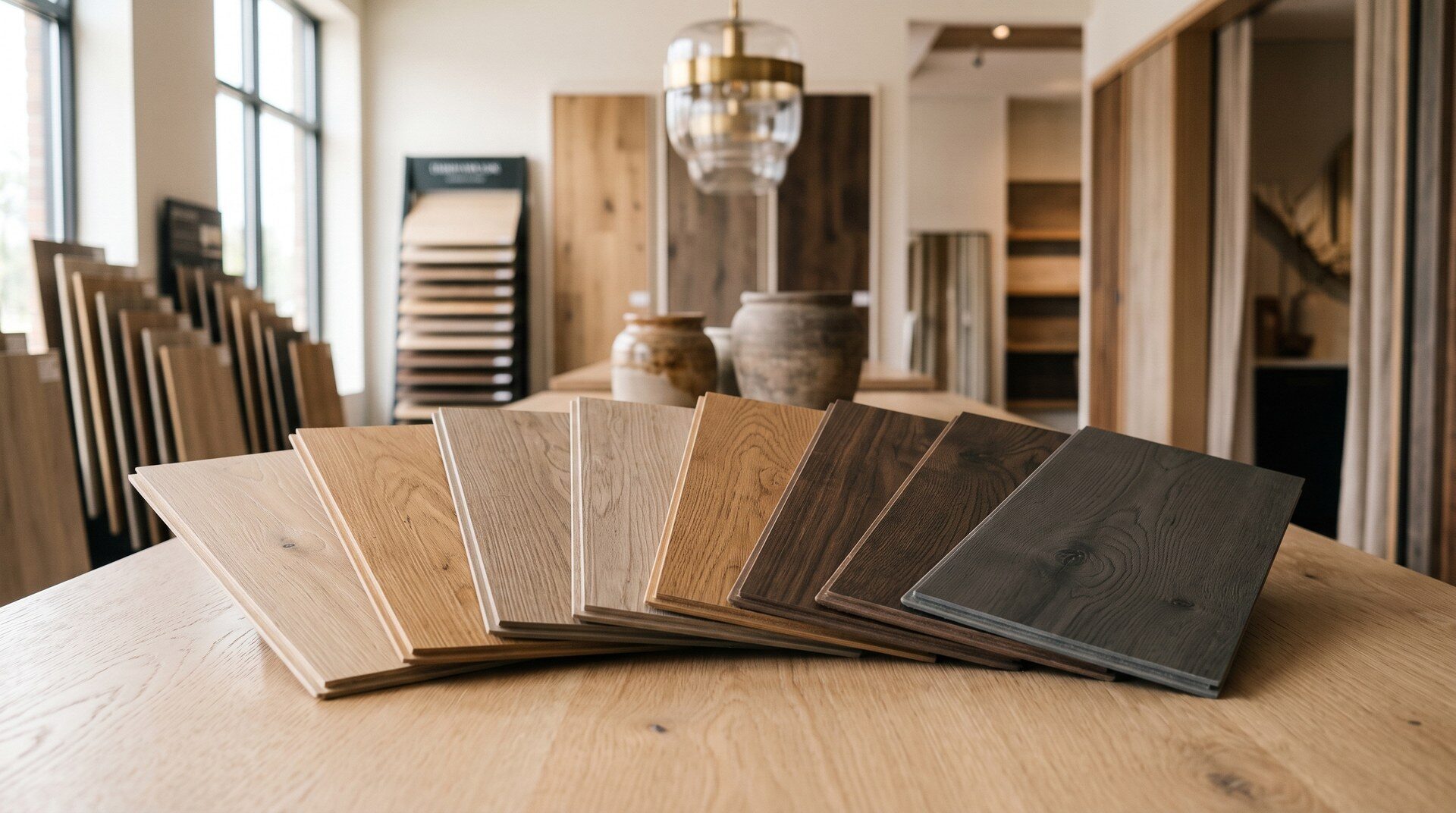
A homeowner walks into a big box store, finds an LVP floor that looks exactly like what they saw on a renovation show, and buys it based on the colour. Three years later, they’re calling us because the wear layer is gone in the hallway, the planks are clicking when you walk on them, and the floor they paid to install is going to cost nearly as much to replace. That scenario is common enough that our team talks about it regularly.
The LVP market has exploded in the last five years. There are hundreds of products at every price point, from $1.50 a square foot to $7.00 and beyond. Most of them look similar in photos. The difference is in the specs, and most buyers — including a lot of homeowners right here in Red Deer — never look past the colour and the price.
This guide breaks down what actually matters when you’re choosing LVP flooring. Not the marketing language. The specs. Visit raveshowroom.ca/product/flooring/ to explore the options we carry, or call 403-346-7088 to talk it through with our team.
The Spec That Matters Most: Wear Layer Thickness
The wear layer is the clear protective coating on top of the LVP plank. It’s what stands between your floor and everything that touches it: feet, furniture legs, pet claws, grit tracked in from outside. Once the wear layer is gone, the photographic layer beneath it is exposed and the floor is done.
Wear layer thickness is measured in mils. One mil equals one-thousandth of an inch. This is not the same as millimeters — a distinction that trips up a lot of buyers comparing spec sheets side by side.
Here’s how to read it in practice. A 6-mil wear layer is entry-level. It’s fine for a low-traffic bedroom or a rental property you’re trying to floor affordably. A 12-mil wear layer is adequate for standard residential use. For a household with pets, kids, or heavy traffic through the main living areas, you want 20 mil. At 20 mil, you have a floor that will genuinely hold up for 20 or more years of real use.
The wear layer number that appears on a product’s packaging or website listing is the single most important spec to find before you commit. If a retailer can’t tell you the wear layer, or gives you a measurement in millimeters when you ask for mils, that’s worth paying attention to.
“We ask every customer two questions before we start talking about colours: what’s the wear layer, and what’s the core type? Those two answers tell us more about how the floor will perform in an Alberta home than anything else on the spec sheet.” — Troy Larsen, Owner, Central Alberta Tile One
SPC vs. WPC: Which Core Is Right for a Red Deer Home?
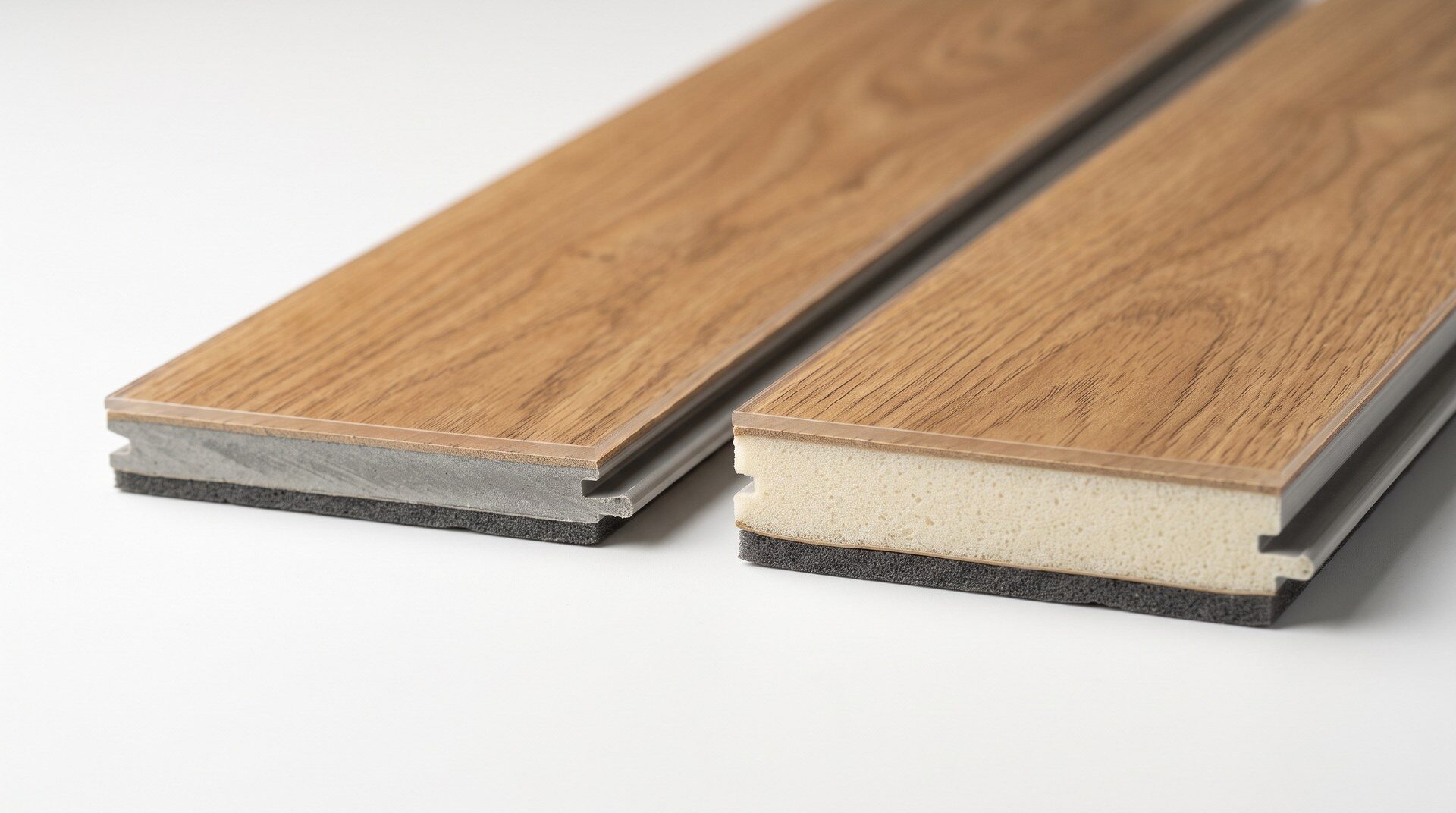
Rigid-core LVP comes in two main construction types: SPC (stone plastic composite) and WPC (wood plastic composite). Both are sold as LVP. Both look similar. They perform differently, especially in Alberta’s climate.
SPC has a denser, harder core made from limestone powder and PVC. It’s dimensionally stable under temperature swings, which matters in a province where your basement might be 15 degrees Celsius in January and your main floor might be 22. SPC is also thinner for the same rigidity, which makes it a better choice when going over existing flooring or where height transitions are tight. For most Red Deer homes, SPC is the recommendation.
WPC has a foamed polymer core that makes it softer and warmer underfoot. It feels more like hardwood when you walk on it. The tradeoff is that WPC is less rigid than SPC and can be more susceptible to temperature-related expansion in extreme conditions. For above-grade spaces with good climate control, WPC is a perfectly valid choice. For basements, garages-turned-living-space, or areas with significant temperature fluctuation, SPC holds up better.
Honestly, the industry doesn’t do a great job of explaining this distinction. Most product listings just say ‘rigid core LVP’ without specifying which type. Ask specifically.
“My experience working with Krista on a design for a renovation was amazing. Her expertise and her suggestions were perfectly balanced with my existing home set up. She was involved throughout the project. Tile One has great selection and quality products. The result is a beautiful updated home!!!”
Raylene C., Red Deer | Flooring renovation, Central Alberta Tile One
What the Click System and Plank Dimensions Tell You
The click-lock system is how LVP planks connect to each other in a floating installation. A tight, well-engineered click system keeps planks from shifting, prevents gaps from developing over time, and reduces that hollow sound underfoot that cheaper LVP can develop in floating installations.
You can test this in a showroom by locking two planks together and trying to pull them apart laterally. A strong system resists that lateral pull. A weak system separates with modest force. That test tells you more than any marketing claim about ‘precision-engineered click technology.’
Plank dimensions affect the look of the finished floor. Wider planks (5 inches and up) make smaller rooms feel larger and show the wood-grain pattern more prominently. Longer planks reduce the number of end joints in the floor, which gives a cleaner look. Both dimensions also affect how much waste you factor into your purchase for cuts around doorways and irregular walls.
One thing that doesn’t show up on spec sheets: the weight of the box. Heavier planks in the same thickness usually mean a denser core. It’s not a precise measurement, but when you’re comparing two products at a similar price point in a showroom, picking them up tells you something.
What Box Stores Won’t Tell You (and Why It Costs Homeowners Money)
Big box store LVP is not inherently bad. Some of it is perfectly fine for the right application. The problem is the sales environment. Staff in a flooring aisle are not flooring specialists. They’re not going to ask about your subfloor condition, your basement moisture levels, your household traffic, or whether your home has radiant heat. They’ll point you toward what’s on sale.
We see the results of that regularly. A floor purchased for a finished basement that doesn’t have the right core type for below-grade use. A 6-mil wear layer product installed in a house with two large dogs. An LVP not rated for in-floor heat installed over a heated slab.
The Resilient Floor Covering Institute (RFCI) sets the performance standards that quality LVP products are tested against. When a product has been tested and certified to those standards, that certification means something. When a product listing doesn’t mention testing or certification, that’s worth asking about.
In our showroom, every product we carry has been vetted for Alberta conditions. We stock Shaw Floors and Armstrong LVP lines because we’ve seen how they perform here over time, not because they have the best promotional materials. There’s a difference.
“Fantastic service and quality work. Thank you Shannon, Troy, Sierra & Ariel! The team went above and beyond showing us different products and ensuring we had the best materials for our project with a great install.”
First Choice Collision, Red Deer | Commercial flooring project, Central Alberta Tile One
Pro Tip from the Central Alberta Tile One team: If you’re shopping LVP online or at a big box store, screenshot the spec sheet and bring it to us. We’ll tell you honestly what those numbers mean for your specific situation and how that product compares to what we carry. No sales pressure — just a straight read on whether it’s the right floor for your home.
Before You Buy: The Four Questions Worth Asking
- What is the wear layer in mils? Not millimeters. Mils. If the spec sheet only shows millimeters, ask for the mil figure.
- Is the core SPC or WPC? For Red Deer homes with any temperature variability between floors or seasons, SPC is the safer default.
- Does the product include attached underlayment? Some LVP includes an IXPE or cork pad bonded to the back. If it does, you don’t need to purchase separate underlayment. If it doesn’t, factor that into your total material cost and your floor’s sound performance.
- What surface temperature rating does it carry? If you have or plan to add in-floor radiant heat anywhere in the house, verify the LVP is rated for use over that heat source. Not all products are.
Those four questions take five minutes and can save you from a flooring decision you’ll regret for years.
Frequently Asked Questions
What wear layer do I need for LVP flooring in a high-traffic home?
For households with pets, kids, or heavy foot traffic in main living areas, choose LVP with a 20-mil wear layer or higher. A 12-mil wear layer is adequate for moderate residential use. Anything below 12 mil is better suited for low-traffic spaces like guest bedrooms or rental properties where replacement is factored into the budget.
What is the difference between SPC and WPC LVP flooring?
SPC (stone plastic composite) has a denser, harder core made from limestone and PVC — more dimensionally stable in temperature swings, better for basements and below-grade spaces. WPC (wood plastic composite) has a foamed core that feels softer and warmer underfoot, better suited for above-grade spaces with stable climate control. For most Alberta homes, SPC is the more climate-appropriate choice.
Can LVP be installed over my existing floor?
Often yes, but it depends on the height of the existing floor and the condition of the surface beneath it. LVP can float over many existing hard floors as long as the subfloor is flat (within 3/16 of an inch over 10 feet), dry, and structurally sound. Existing carpet must be removed. Existing vinyl sheet with cushion backing should be removed. Always consult an installer before deciding to go over an existing floor.
Does LVP need underlayment?
It depends on the product. Some LVP comes with an attached underlayment (IXPE or cork) bonded to the back of each plank. If your product includes attached underlayment, do not add additional underlayment beneath it — this can compromise the click-lock system and void the warranty. If your product has no attached underlayment, a separate moisture barrier and sound underlayment is typically required, especially over concrete.
Is LVP from a big box store the same quality as what flooring showrooms carry?
Not always. Some big box store LVP uses the same wear layers and cores as showroom products. A lot of it does not. The key is checking the spec sheet, not the brand name. A 20-mil SPC product from a big box store can be excellent. A 6-mil product with a marketing name that sounds premium is not. Bring the spec sheet to a flooring specialist and ask them to compare it directly to what they carry.
Ready to Stop Guessing and Start Choosing?
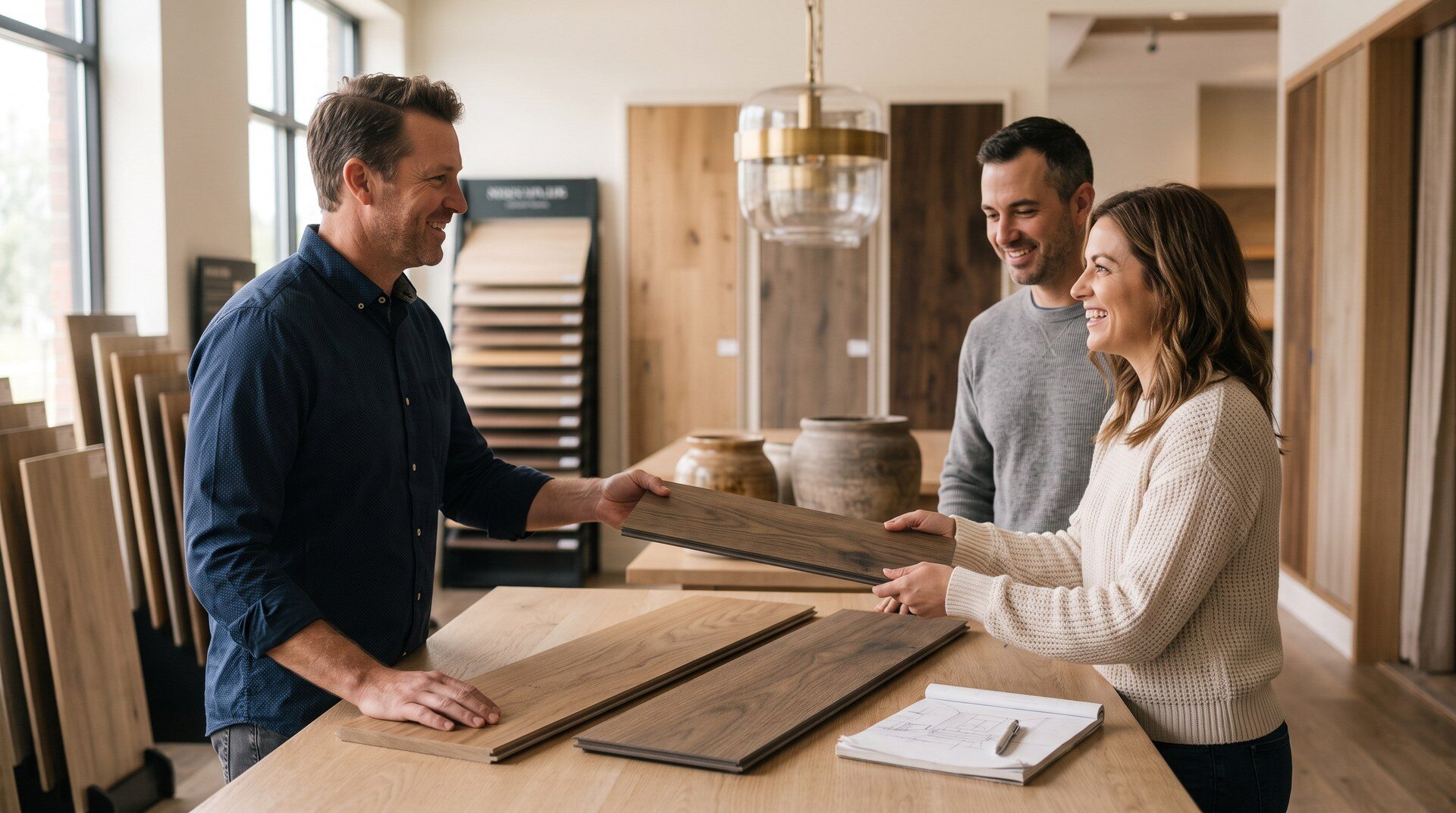
Bring your room dimensions, your questions, and if you have one, the spec sheet from a product you’ve already been looking at. Our team at Central Alberta Tile One will give you a straight read on what those numbers mean and help you find the right LVP for your specific home, lifestyle, and budget.
You can also try our flooring visualizer at raveshowroom.ca/room-visualizer/ before you visit — upload a photo of your room and see how different LVP options look in your actual space.
Central Alberta Tile One | #9 – 7619 50 Ave, Red Deer, AB | 403-346-7088 | raveshowroom.ca/product/flooring/
You Might Also Like
-
- Flooring
October 14, 2026
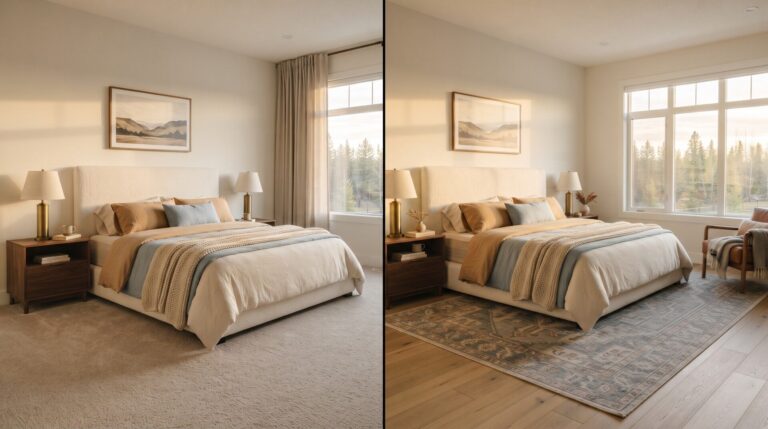
Carpet vs. Hard Flooring in Red Deer Bedrooms: What Families Are Choosing in 2026
-
- Flooring
October 8, 2026
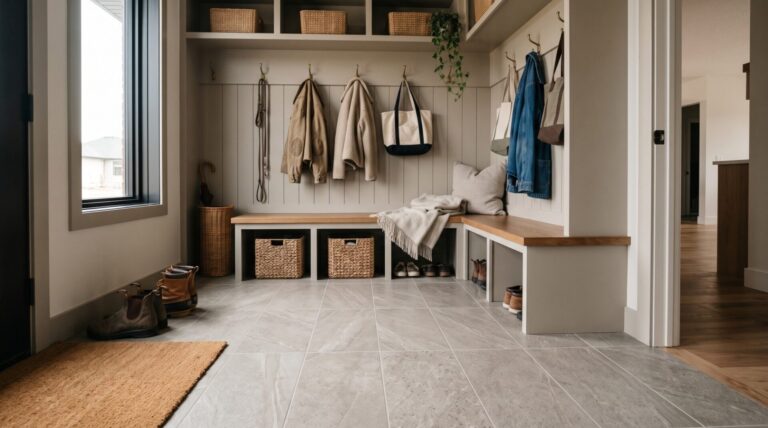
Tile Flooring in Red Deer: Where It Makes Sense (and Where Homeowners Regret It)
-
- Flooring
October 6, 2026
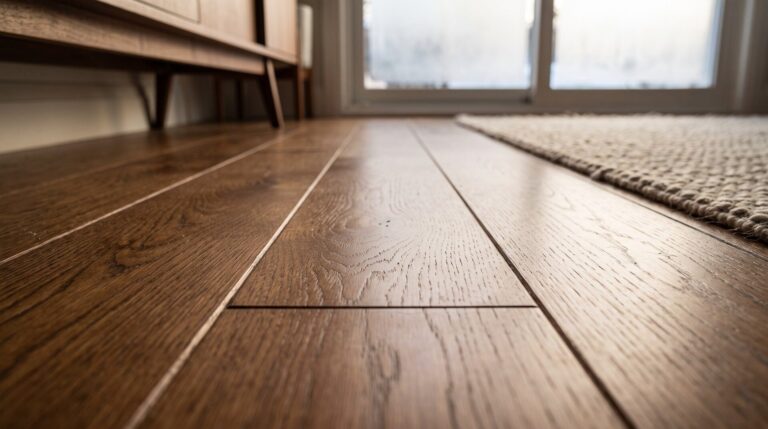
My Hardwood Floors Are Gapping: What’s Causing It and What Red Deer Homeowners Can Do