
- Flooring
Engineered Hardwood in Central Alberta: Can You Refinish It and Is It Worth It?
November 12, 2026
You paid good money for engineered hardwood floors. Five years in, the finish is looking tired in the hallway and there are some light scratches near the kitchen. A friend tells you that engineered hardwood can’t be refinished. Someone else says it can. You search online and find conflicting answers everywhere.
Here is the honest version: engineered hardwood can be refinished, but whether yours can be refinished depends on one specific number you may not know.
That number is the thickness of the real wood veneer on top of the engineered core. And most homeowners who bought engineered hardwood were never told what it was.
Our team at Central Alberta Tile One helps Red Deer and Central Alberta homeowners navigate this question regularly. This guide walks through what determines refinishability, what your options are at each veneer thickness, and whether refinishing or replacing makes more sense for your specific floor. Reach us at 403-346-7088 or visit raveshowroom.ca/product/flooring/ to explore current engineered hardwood options.
The One Spec That Decides Whether Your Floor Can Be Refinished
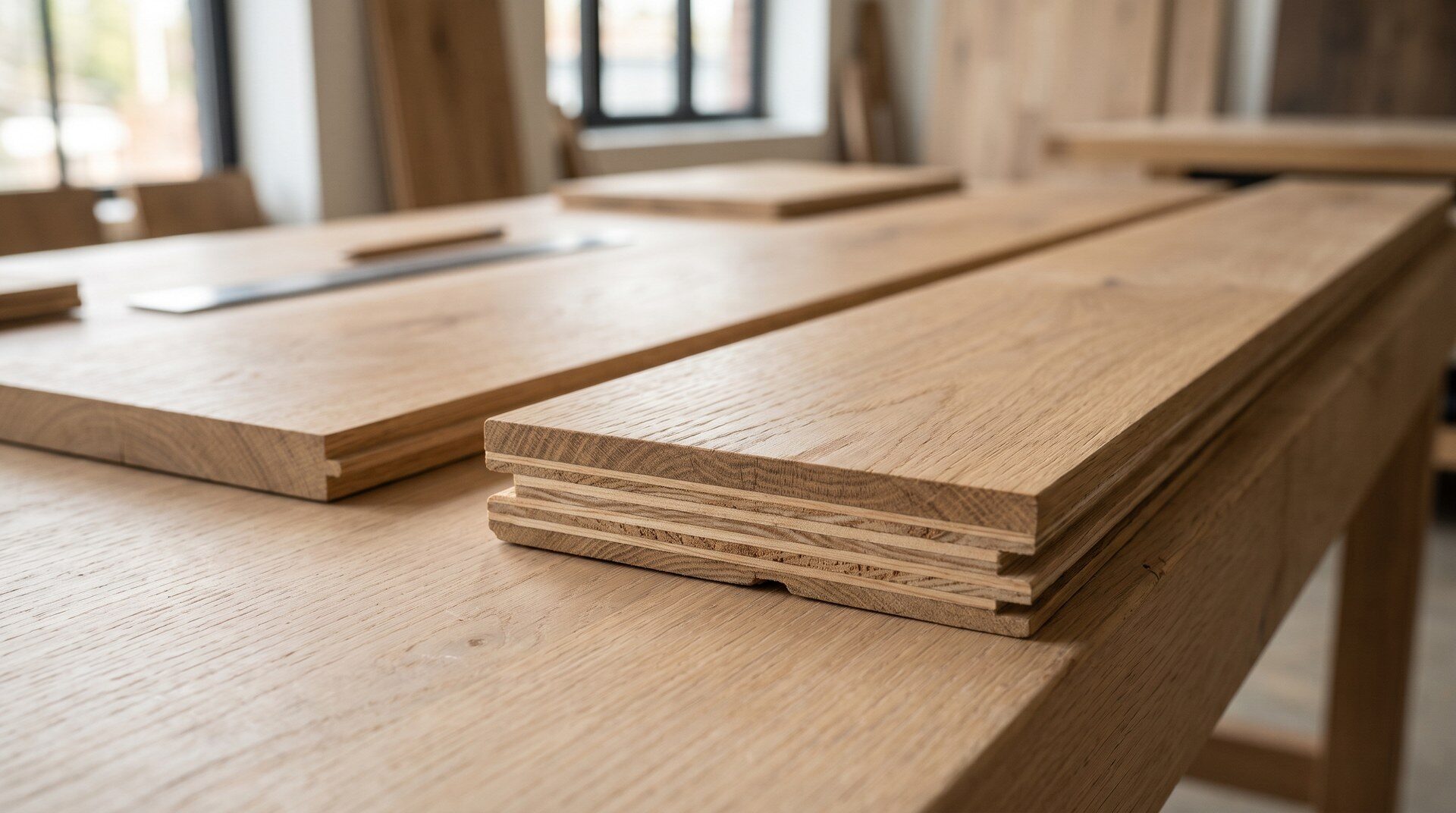
Engineered hardwood is constructed with a real wood veneer, the species layer you see and walk on, bonded over a plywood or HDF core. The core provides dimensional stability. The veneer provides the authentic wood look and feel.
When you refinish a hardwood floor, you are sanding away the top layer of that veneer.
A veneer that is 2mm thick can typically be sanded once before the wood becomes too thin to hold finish properly. A veneer that is 3mm thick can often be sanded twice. A 4mm or thicker veneer, which you find in premium engineered products, can handle two or sometimes three refinishing cycles over the floor’s lifetime. Below 2mm, the veneer is too thin for any meaningful sanding — screen-and-recoat is your only option, and full refinishing will sand through to the core.
Here’s the problem: most homeowners were never told the veneer thickness when they bought their engineered hardwood. The flooring was sold by colour and species, not by the spec that actually determines long-term value. If you don’t know yours, check the original product documentation, look up the manufacturer’s spec sheet online, or call us and we can help you identify it.
Two Very Different Operations: Screen-and-Recoat vs. Full Refinishing
Screen-and-Recoat: Low Risk, Broadly Compatible
Screen-and-recoat is a finish refreshment, not a floor refinishing. An abrasive screen scuffs the existing finish layer to create adhesion, then a new coat of finish is applied. No wood is removed. This process is safe on virtually any engineered hardwood regardless of veneer thickness, and it can be done many times over the floor’s life.
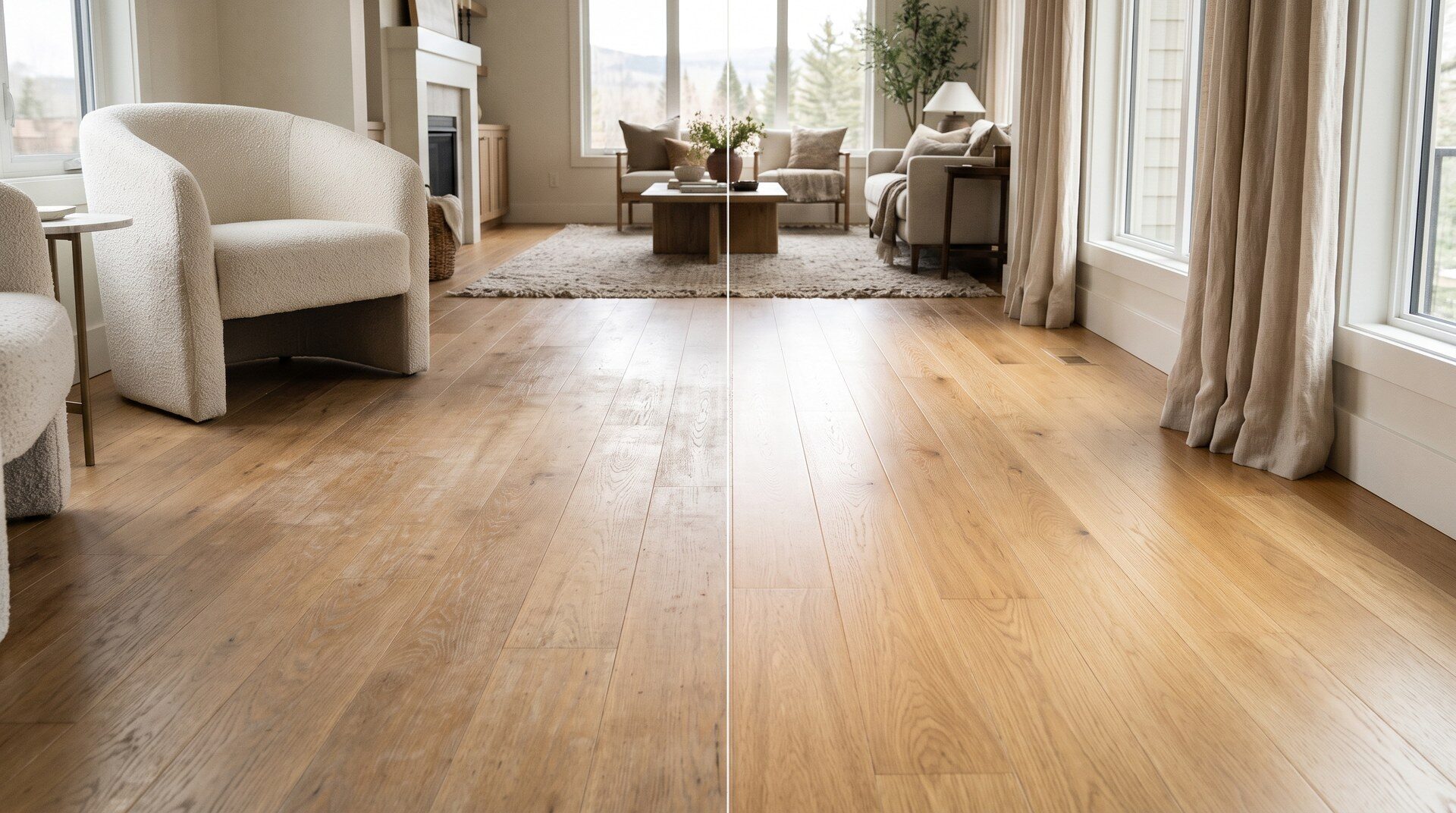
Screen-and-recoat restores a dull, slightly scratched floor to a fresh finish. It does not remove deep scratches or dents that penetrate the finish into the wood itself, and it does not change the stain colour. For a floor that has surface wear but no deep damage, screen-and-recoat is often the right first step, it costs less than full refinishing and carries essentially no risk of going through the veneer.
Full Sand-and-Refinish: Requires Adequate Veneer Thickness
Full refinishing uses a drum or orbital sander to remove the finish layer and a portion of the wood veneer itself, then applies fresh stain and finish. This is the process that changes colour, removes deep scratches, and genuinely restores a worn floor. It also permanently removes veneer material.
For engineered hardwood with a 2mm or thicker veneer, full refinishing is possible with careful orbital sanding. Drum sanding is more aggressive and more likely to sand through a thin veneer unevenly. A skilled installer working with an orbital or buffer sander removes less material per pass and has more control.
For floating engineered hardwood installations, full refinishing requires extra care because the floor has some movement underfoot, which affects how the sander tracks.
The National Wood Flooring Association recommends having the veneer thickness confirmed and the floor inspected by a professional before committing to full sanding on any engineered hardwood product.
“We went to Alberta Tile One to talk about upgrading our kitchen. We met with Kinga and she helped us pick out colours and match everything to the cabinets that we wanted to keep. Alberta Tile One coordinated with the granite company and the company that we got new sinks from so that we only had to communicate with one company. They planned everything, booked all the appointments and it all went very smoothly.”
Stefanie T., Red Deer | Kitchen renovation, Central Alberta Tile One
Is Refinishing Worth It or Is Replacement the Better Call?
Honestly, a lot depends on what you paid for the floor and what you’re hoping to achieve. A premium engineered hardwood with a 3 or 4mm veneer that was installed properly is worth refinishing. You extend the life of a significant investment, maintain the wood look that contributes to resale value, and avoid the disruption of a full replacement.
That calculation makes clear sense.
A budget engineered product with a 1mm veneer that has been on the floor for eight years is a different story. Even a careful screen-and-recoat may only extend that floor’s life by a few years, and replacement with a better-spec product will give you a more durable long-term result.
The question is whether you are restoring an asset or temporarily patching something that is past its useful life.
For Alberta homeowners who are on the fence between refinishing existing engineered hardwood or replacing it with LVP, there is also the performance comparison to consider. LVP does not require any refinishing cycle. It is more moisture-stable in Alberta’s humidity swings. It cannot be refinished if it gets damaged, and for many buyers, the authentic wood look and feel of engineered hardwood still carries genuine resale appeal in this market.
Read our full comparison at raveshowroom.ca/hardwood-vs-lvp-flooring-red-deer/ for a complete breakdown.
“The buyers who get the most out of engineered hardwood are the ones who bought the right veneer thickness up front and maintained the finish with screen-and-recoat every eight to ten years. That floor can last 40 years and still refinish. The buyers who chose the cheapest engineered product available are usually talking to us about replacement within a decade.” — Shannon Moench, Owner, Rave Design Showroom
Buying Engineered Hardwood in Alberta: What to Ask Before You Commit
If you are buying engineered hardwood now, the refinishing question should be part of the purchase conversation. Ask the veneer thickness in millimeters before you decide. For a floor you intend to keep for 20 or more years and potentially refinish, a 3mm or thicker veneer is worth prioritizing over a thinner product at a lower price point.
Ask also about the installation method. Nail-down engineered hardwood is more stable underfoot and generally easier to refinish in place. Floating engineered hardwood has more movement and requires more care during sanding. Both are valid installation methods for Alberta homes, but the choice affects your long-term refinishing options.
Alberta’s dry climate means acclimation before installation is not optional. Engineered hardwood should spend at least 48 to 72 hours in the room where it will be installed before any work begins, with the HVAC running at normal living conditions. Rushing acclimation in an Alberta winter when the interior RH is low is one of the most common contributors to installation problems we see.
Our team at Central Alberta Tile One takes acclimation seriously because we know what Alberta winters do to wood products.
Pro Tip from the Central Alberta Tile One team: When purchasing engineered hardwood, ask for the full product spec sheet, not just the finish sample. The spec sheet will list the veneer thickness, the species of the veneer, the core construction, and the warranty terms. If a supplier cannot provide the spec sheet or does not know the veneer thickness, that tells you something important about the product and the supplier.
“Great flooring and great teamwork help us build outstanding homes. With the service and expertise we get from Central Alberta Tile One, our team won an Award of Excellence in Housing. More importantly, they help us offer our clients a better product.”
Terry Loewen, Builder, Red Deer area | Central Alberta Tile One
Frequently Asked Questions
Can engineered hardwood floors be refinished?
Yes, but it depends on the veneer thickness of the specific product. A 2mm veneer can typically be sanded once. A 3mm veneer can often handle two refinishing cycles. Products with veneers thinner than 2mm are generally not suitable for full sanding, though screen-and-recoat, which refreshes the finish without removing wood, can be done on most engineered hardwood regardless of veneer thickness.
What is the difference between screen-and-recoat and full refinishing?
Screen-and-recoat abrades the existing finish layer to create adhesion for a new coat, without removing any wood from the veneer. It restores a dull or lightly scratched floor at lower cost and with no risk of sanding through the veneer. Full sand-and-refinish removes the finish layer and a portion of the wood veneer itself, which allows for stain colour changes and removal of deeper damage, but permanently reduces the veneer thickness. For most engineered hardwood, screen-and-recoat is the appropriate first restoration option.
How many times can engineered hardwood be refinished?
It depends on veneer thickness and how much material is removed each time. A 2mm veneer supports approximately one full refinishing. A 3mm veneer supports two. A 4mm or thicker veneer can support two to three refinishing cycles. Screen-and-recoat does not consume veneer material and can be done many times over the floor’s life. Choosing a product with a thicker veneer at purchase is the single most impactful decision for long-term refinishability.
Is engineered hardwood or LVP a better long-term investment in Alberta?
Both have genuine merits in Alberta homes. Engineered hardwood holds up better in above-grade spaces where real wood warmth and resale appeal matter, can be refinished if purchased at the right veneer thickness, and performs well with proper humidity management. LVP is more moisture-stable in Alberta’s humidity swings, requires no refinishing, and is the recommended choice for basements and below-grade spaces. For above-grade main floors in mid-to-upper market homes, engineered hardwood often delivers stronger resale value. See our full comparison at raveshowroom.ca/hardwood-vs-lvp-flooring-red-deer/
Does engineered hardwood need to acclimate before installation in Alberta?
Yes, and in Alberta this step is particularly important. Engineered hardwood should acclimate in the room where it will be installed for at least 48 to 72 hours with the HVAC running at normal living conditions. In winter, when indoor relative humidity is low due to continuous heating, allow additional time. Skipping or rushing acclimation is a common contributor to installation problems including gapping, buckling, and finish adhesion issues in Alberta’s dry interior climate.
Thinking About Refinishing or Replacing Your Engineered Hardwood?
Before you book a contractor or order new flooring, bring us the product name and specs if you have them. Our team at Central Alberta Tile One can help you understand whether your existing floor is a refinishing candidate, what that process involves, and whether a screen-and-recoat or full sand-and-refinish makes sense for what you’re working with.
If replacement makes more sense, we’ll show you engineered hardwood options with the veneer specs that make a 25-year investment worthwhile, not just the colour you like.
Central Alberta Tile One | #9 – 7619 50 Ave, Red Deer, AB | 403-346-7088 | raveshowroom.ca/product/flooring/
You Might Also Like
-
- Flooring
October 14, 2026
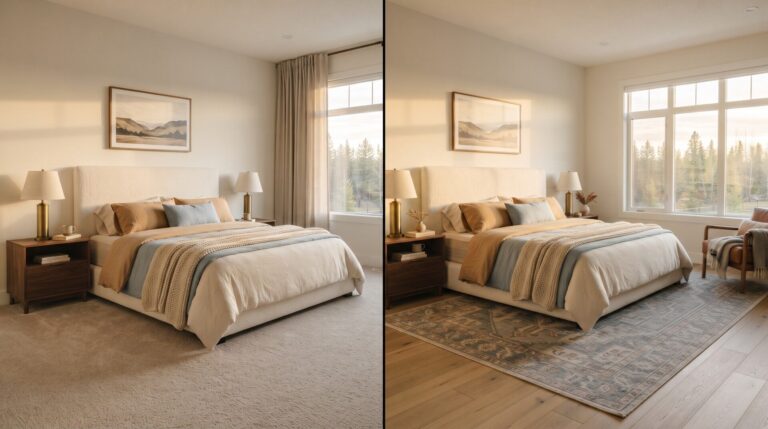
Carpet vs. Hard Flooring in Red Deer Bedrooms: What Families Are Choosing in 2026
-
- Flooring
October 8, 2026
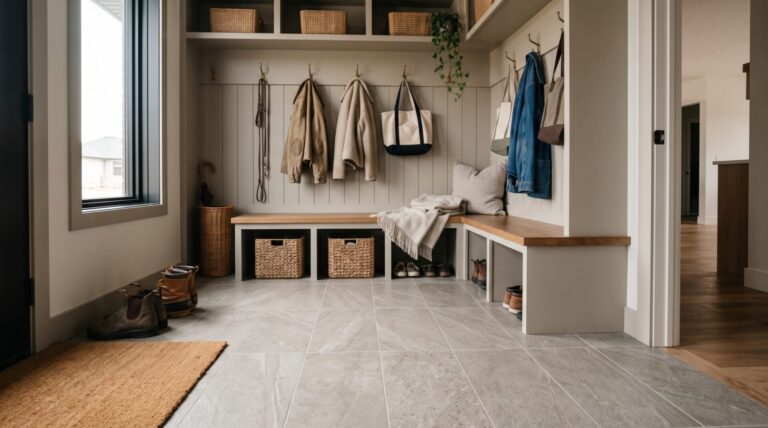
Tile Flooring in Red Deer: Where It Makes Sense (and Where Homeowners Regret It)
-
- Flooring
October 6, 2026
My Hardwood Floors Are Gapping: What’s Causing It and What Red Deer Homeowners Can Do